
Fine art photography vs poster — what actually differs
Fine art photography vs poster — what actually differs
There is a question that collectors ask, and one they sometimes do not. The one they ask is about size, framing, and price. The one they do not always ask is the more important one: what is this object, exactly, and how many of them exist in the world?
A poster and a fine art photograph can hang on the same wall. They can depict the same subject. From across a room, they can look similar. The difference is not immediately visible — it is structural. It lives in the materials, the process, the intention behind the object, and the decision about how many will ever exist.
A poster reproduces. A fine art photograph exists.
This guide is for anyone standing at that threshold — not yet certain which side of it they are on, but curious enough to ask.
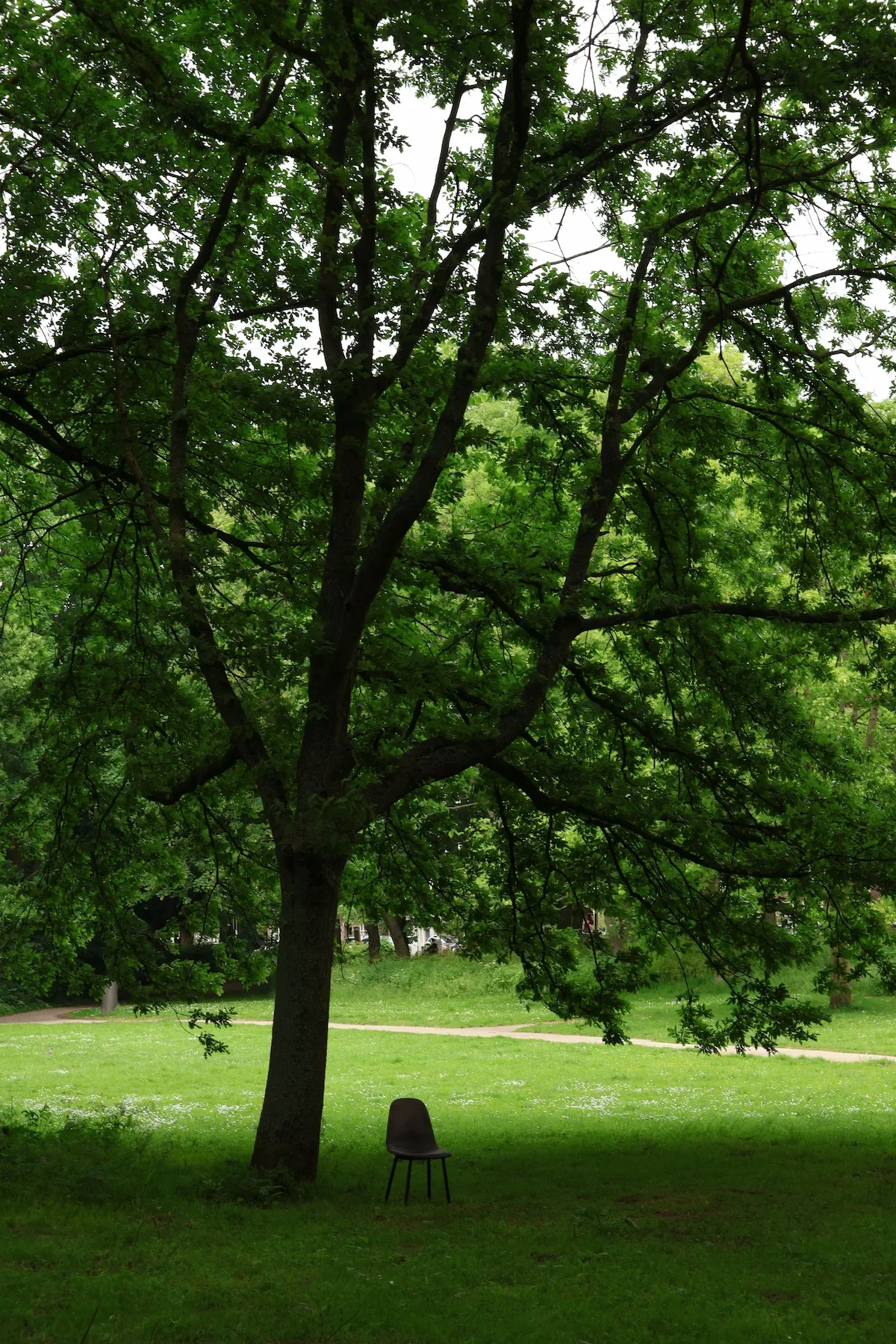
Lone chair beneath large tree open landscape fine art photography edition of 5
Is photography considered fine art?
The question has a history. For most of the nineteenth century, photography occupied an uncertain position — too mechanical, some argued, to be art. The hand was not involved in the way painting required a hand. The image was made by light and chemistry, not by the stroke of a brush.
That argument ended, effectively, with Alfred Stieglitz and the Photo-Secession movement at the turn of the twentieth century — a deliberate campaign to establish photography as a fine art form on equal terms with painting and sculpture. The argument has not been seriously revisited since. Photography is represented in every major museum in the world. It is collected, auctioned, and valued by the same institutions that handle painting, sculpture, and works on paper.
The question today is not whether photography is art. The question is whether this photograph is. For a deeper look at what that distinction means in practice, the guide to photography as art explores when a photograph crosses that line — and what it means for the collector.
The question is not whether photography is art. The question is whether this photograph is.
Fine art photography is made with a specific intention — not to document, not to illustrate, not to decorate, but to propose something. A way of seeing. A relationship between the elements in the frame that would not exist without the decision to make the image. The subject is a vehicle. The image is the destination.
This is what separates fine art photography as a practice from photography as a recording medium. The camera is the same. The distinction is entirely in what the photographer is trying to do with it — and whether the result holds
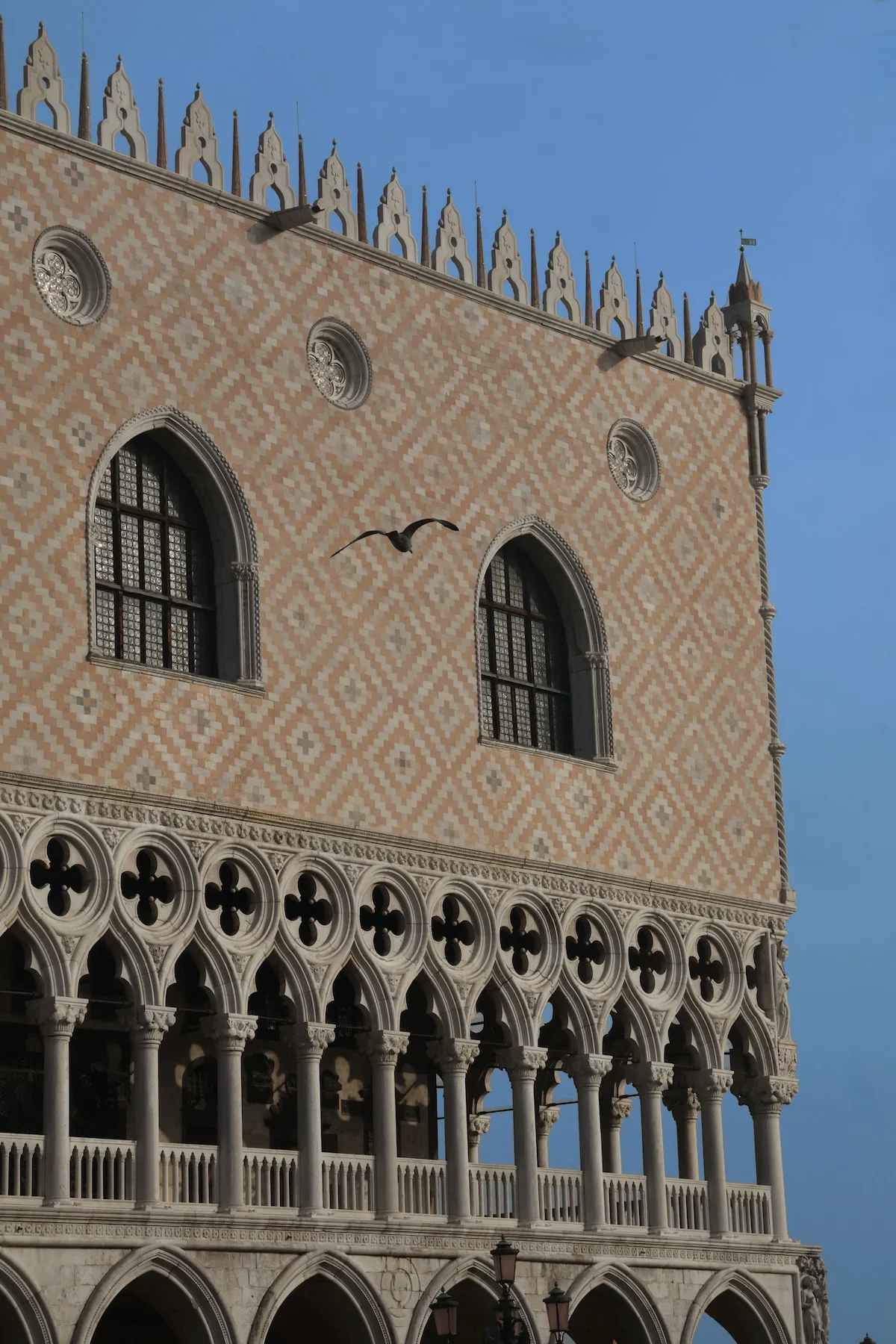
Single bird ornate Venetian palace facade geometry fine art photography
What is the difference between a fine art print and a poster?
The difference operates on three levels: materials, intention, and edition.
A poster is produced for reproduction. It is printed in large quantities on paper chosen for cost and durability, not archival longevity. It is designed to be widely available. The image it carries may be beautiful — but the object itself makes no claim to singularity. It is one of many, and many is the point.
A fine art photography print is produced on archival paper — paper rated for over a century of stable display without degradation in colour or structure. The printing process is chosen for accuracy and permanence, not volume. The print is issued in a defined edition — a specific number, beyond which no more will be produced. Each print in the edition is numbered. Most are signed. Some come with a certificate of authenticity that records the edition number, the materials, and the atelier that produced the work.
The object that results is not a reproduction of something. It is the thing itself. One of a fixed number of objects that will ever exist in that form.
What you acquire is not a copy of something. It is the thing itself.
The materials matter not only for longevity but for what they signal about the object. A work printed on archival paper, issued in a limited edition, with a certificate of authenticity — these are not premium features added to a poster. They are the conditions that make the object a work of art rather than a reproduction of one. For a deeper understanding of what those materials mean for collecting, the guide to fine art photography prints covers the relationship between production standards and collectible value.
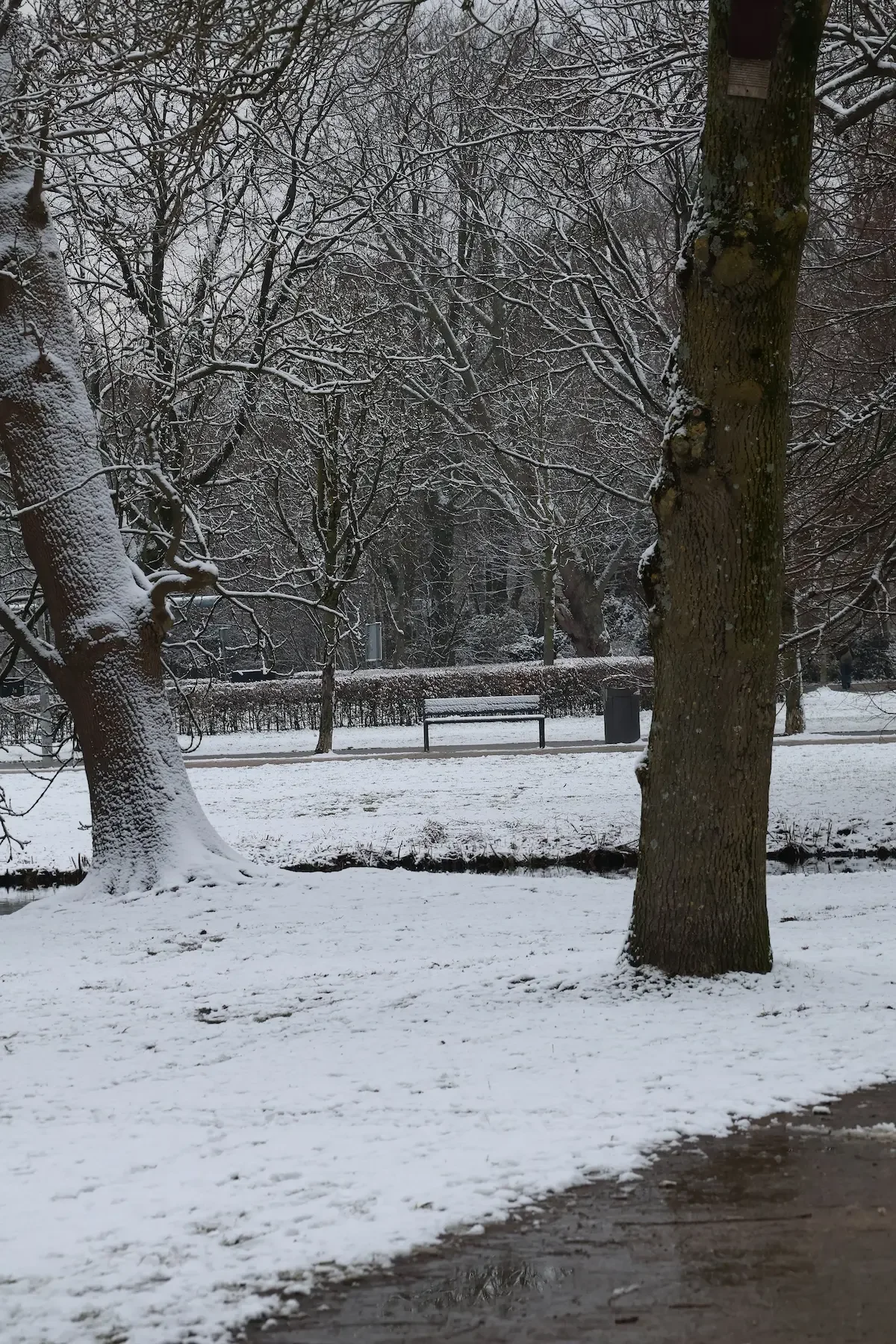
Empty bench Amsterdam winter light fine art photography limited edition
What is Edition of 5?
An edition is the total number of prints produced from a single image. Once the edition closes — once the final print is made — no more will be produced. The edition number is part of what defines the object.
Edition of 5 means five prints exist. Not fifty. Not five hundred. Five. Each one numbered: 1/5, 2/5, 3/5, 4/5, 5/5. Each one complete. Each one the same image, the same materials, the same dimensions — and one of five objects in the world that will ever be that thing.
Edition of 5 is not a marketing decision. It is a position on scarcity.
The number five is not arbitrary. It is small enough to make each print genuinely rare — the collector who acquires 1/5 knows that four other people in the world have made the same decision about the same work. It is large enough to allow the work to find the collectors it belongs with. An edition of one would be a singular object with a singular price. An edition of fifty would begin to dilute the scarcity that gives the edition its meaning.
At Pictelier, every work is Edition of 5. Three sizes — S, M, and L — each framed specifically for that format. When an edition sells out, it is recorded
“What decided it was knowing exactly how many exist. Five is a number you can hold in your mind.” — K.A., Dubai

Cast iron bandstand Amsterdam snow winter fine art photography edition of 5
See the current availability — View the collection
What this means for the collector
The collector who acquires a fine art photograph is not buying a decorative object that happens to be a photograph. They are acquiring a position in an edition — a numbered place in the small group of people who will ever own that specific work.
That position has weight. It carries the history of the work — where it has been, who has held it, what it has meant to the people in whose company it has lived. A poster carries none of this. It remains what it was when it was made: a reproduction, available to anyone, meaning the same thing to everyone.
The guide to how to start a fine art photography collection is written for collectors making this transition — from the decorative to the collectible, from the available to the singular.
“When it arrived, I realised I had been thinking about it the wrong way. I thought I was buying a photograph. I was acquiring something that only four other people in the world have.” — H.R., London

Parasail two figures cyan sky above ocean horizon, minimalist fine art photography print Edition of 5
Frequently asked questions
Is photography considered fine art?
Yes. Photography has been established as a fine art form since the early twentieth century, when movements such as Photo-Secession argued successfully for its inclusion alongside painting and sculpture. Today, fine art photography is collected, exhibited, and auctioned by the same institutions that handle all major art forms. The relevant question is not whether photography can be fine art — it is whether a specific photograph meets the criteria: intentional composition, archival production, limited edition, and a clear artistic proposition beyond documentation or decoration.
What is the difference between a fine art print and a poster?
A poster is produced for mass reproduction on standard materials with no edition limit. A fine art print is produced on archival paper in a defined, numbered edition — meaning a fixed number will ever exist. Fine art prints are typically signed, numbered, and accompanied by a certificate of authenticity. The object is not a reproduction of something. It is a singular, collectible work with a specific place in an edition. The materials, the process, and the scarcity are what separate them.
What is Edition of 5?
Edition of 5 means that exactly five prints of a given work will ever be produced. Each print is numbered — 1/5 through 5/5 — and when the edition is complete, no additional prints are made. The number five is small enough to make each print genuinely rare and large enough to allow the work to find the collectors it belongs with. At Pictelier, every work in the portfolio is Edition of 5.
What makes a photograph fine art?
Intention, process, and edition. A fine art photograph is made with a specific artistic proposition — not to document or illustrate, but to propose a way of seeing. It is produced on archival materials to museum standards, issued in a limited edition, and accompanied by documentation that records its authenticity. The combination of these elements — artistic intention, archival production, and defined scarcity — is what makes a photograph a collectible work rather than a reproduction.
How many prints are in a limited edition?
Edition sizes vary by atelier and artist. Common edition sizes range from 1 (unique) to 50 or more. Smaller editions — 5, 10, 15 — are considered genuinely rare. At Pictelier, every work is Edition of 5: three sizes, each framed specifically for that format, with a maximum of five prints per size. When an edition sells out, it closes permanently.
Five prints. Each one complete. No more will exist.
Inquire about a work.
Every work in the collection is Edition of 5, hand-framed in Amsterdam. Leave your name and the title of the work — you’ll hear back within 24 hours with availability and a custom mockup for your space.
Or explore the collection
